

As an Amazon Associate I earn from qualifying purchases. This page may contain affiliate links.
Foot drop exercises for seniors are a practical way to work on the muscles that lift the front of the foot, which is the movement that often gets weaker with age, nerve problems, or a long period of inactivity. Trips and shuffling gait are common results when that lift weakens, so the goal of any device here is simple: make it easier to do regular, controlled ankle and foot movement at home, safely and without strain. Every pick in this list is a seated or low-stakes device rather than a substitute for medical care. Because foot drop can signal a nerve or neurological issue, anyone who notices new weakness, numbness, or a change in how they walk should consult a doctor or physical therapist before starting a routine.
The selection criteria used here are based on published specifications, brand reputation, and the patterns owners commonly report: how easy the device is to set up while seated, whether the range of motion is adjustable, whether it can be used with a range of foot sizes, whether it is light enough to move around the house or pack for travel, and whether it fits the kind of gentle, repeated movement that physical therapists usually recommend. We also favored options that explain what they are for, so you can tell at a glance which one suits your situation.
Our Top Picks
Quick Comparison
| Product | Best for | Key feature |
|---|---|---|
| FOOT DROP EXERCISES FOR BEGINNERS: Home Rehabilitation Guide | Seniors who want structured guidance | Step-by-step home program |
| Electric Ankle Rehabilitation Training Equipment | Hands-off, controlled ankle movement | Three speed settings and wide angle range |
| FitFoot by TS Medical Portable Foot and Leg Exerciser | Travel and small spaces | Compact, portable design |
| Elgin Archxerciser Foot Exerciser | Simple, hand-powered foot work | Straightforward design |
| Pedal Exerciser Bike for Seniors | Total body seated movement | Arm, leg, and knee workout in one unit |
| PT Pro Ultra Foot Trainer | Foot and arch comfort work | Five-in-one foot and ankle exerciser |
| Pedal Exerciser for Seniors with Adjustable Footstrap | Users wanting light resistance | Adjustable footstrap and low resistance |
| Simple Leg Exerciser While Sitting for Seniors | Basic seated foot pedaling | Simple foot pedal design |
FOOT DROP EXERCISES FOR BEGINNERS: Home Rehabilitation Guide to Improve Mobility, Reduce Falls, and Build Walking Confidence

FOOT DROP EXERCISES FOR BEGINNERS: Home Rehabilitation Guide to Improve Mobility, Reduce Falls, and Build Walking Confidence
This is a guide rather than a piece of equipment, which makes it a good starting point for seniors who want a clear plan before buying anything else. It suits people who prefer written instructions they can follow at their own pace, and caregivers who want a structured reference.
Key specs
- Format: home rehabilitation guide
- Focus: foot drop, mobility, and fall reduction
Pros
- Organized as a home program, which makes it easy to follow
- Requires no additional equipment to begin
- Covers the goal of building walking confidence, not just isolated moves
Cons
- It does not provide a physical device for resistance or assisted movement
- Results depend on consistent practice and may need professional guidance for specific conditions
Electric Ankle Rehabilitation Training Equipment, Foot Drop Orthosis Ankle Joint Rehab Training Equipment

Electric Ankle Rehabilitation Training, Foot Drop Orthosis Ankle Joint Rehab Training Equipment, 3-Speed Speed Regulation, -30° ~40° Full Angle Exercise
This electric device moves the ankle through a set range automatically, which suits people who have difficulty initiating movement on their own or who want a hands-off option during a seated session. It is best used with guidance from a therapist, especially for the first few sessions.
Key specs
- Three speed settings
- Range of motion from -30° to 40°, as listed in the product name
Pros
- Adjustable speed lets you start slowly and increase gradually
- Passive movement helps when active control is limited
- Wide angle range covers both lifting and pointing motions
Cons
- Powered devices need a power source and a bit more setup than manual tools
- Settings should be chosen with a clinician, since aggressive movement can cause discomfort
FitFoot by TS Medical Portable Foot and Leg Exerciser
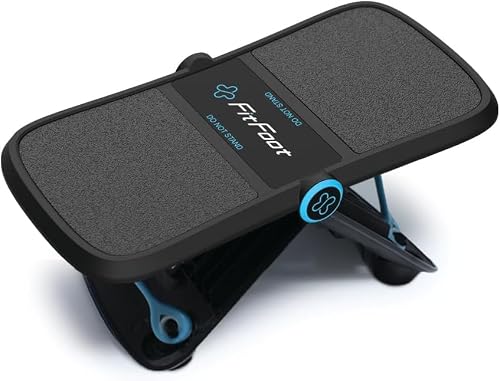
Exercise at Home or During Travel to Support Circulation, Range of Motion, Mobility and Muscle Tone FitFoot by TS Medical – Portable Foot and Leg Exerciser
A compact, portable foot and leg exerciser designed for use at home or while traveling. It suits seniors who want a simple tool they can keep near a chair or pack in a bag, and it fits well with the low-impact routines described in our articles on seated mobility.
Key specs
- Designed for portable, at-home or travel use
- Targets circulation, range of motion, and muscle tone, as the listing describes
Pros
- Lightweight and easy to store or carry
- Simple to use from a seated position
- Useful for regular short sessions throughout the day
Cons
- Manual operation requires some hand and grip strength
- May offer less progressive resistance than heavier machines
Elgin Archxerciser Foot Exerciser

Elgin Archxerciser Foot Exerciser – Original
A long-standing, straightforward foot exerciser that many people use for basic arch and ankle work. It fits seniors who want a no-frills tool for daily repetition and do not need motorized movement or multiple settings.
Key specs
- Manual foot exerciser
- Original design as listed in the product name
Pros
- Simple design with few parts to maintain
- Easy to use while seated
- Low cost of ownership in terms of upkeep
Cons
- Limited adjustability compared with multi-setting devices
- Works the foot more than the full lower leg, so it may not address every need
Pedal Exerciser Bike for Seniors, Arm Leg Hand and Knee Elderly Exercise Equipment

Pedal Exerciser Bike for Seniors, Arm Leg Hand and Knee Elderly Exercise Equipment, Sitting Home Exercise Machine for Total Body, Upper and Lower Limb Physical Therapy Trainer
A seated pedal exerciser that works the legs, knees, and arms together. It suits seniors who want a broader seated workout and who may benefit from gentle, repeated leg motion as part of a wider routine. For more ideas on seated leg work, see our guide to seated arm and leg exercise options.
Key specs
- Designed for arm, leg, hand, and knee use
- Intended for seated, total-body home exercise
Pros
- Works several areas in one session
- Can be used while seated in a stable chair
- Helpful for keeping movement consistent on low-energy days
Cons
- Pedaling alone may not target the small muscles that lift the foot as precisely as dedicated foot tools
- Requires enough floor space and a sturdy chair
PT Pro Ultra Foot Trainer, Plantar Fasciitis Relief for Arch and Heel Pain

Plantar Fasciitis Relief for Arch & Heel Pain, Deep Tissue Massager for Reflexology & Muscle Recovery, No Batteries Needed PT Pro Ultra Foot Trainer, 5-in-1 Foot & Ankle Exerciser
This five-in-one foot and ankle trainer is aimed at arch comfort, heel tension, and general foot work. It suits seniors who notice foot tightness or heel discomfort alongside weakness, and who want a device they can use while sitting.
Key specs
- Five-in-one foot and ankle design
- No batteries required, as stated in the listing
Pros
- No batteries or charging needed
- Targets arch and heel areas in addition to ankle movement
- Can be used seated, with little setup
Cons
- Designed with massage and arch focus, so it is not a complete foot drop solution on its own
- Pressure should be kept gentle, especially with sensitive or numb feet
Pedal Exerciser for Seniors, Adjustable Footstrap, Low Resistance, 300 lb Capacity

Seniors, Rehabilitation, Physical Therapy, Arm & Leg Workout,Adjustable Footstrap, Low Resistance,Load capacity: 300 lbs Pedal Exerciser for Seniors, Arm & Leg Exerciser While Sitting
A seated pedal exerciser with an adjustable footstrap and low resistance, suited to seniors who want gentle, controlled leg and foot motion. The 300-pound capacity listed in the name indicates a sturdy build for most users.
Key specs
- Load capacity: 300 lb, as listed
- Adjustable footstrap and low resistance setting
Pros
- Footstrap helps keep the foot in position during pedaling
- Low resistance suits beginners
- Usable for both arms and legs while seated
Cons
- Resistance is limited, so it may not suit users who need more challenge later
- Requires a stable chair and some setup space
Simple Leg Exerciser While Sitting for Seniors Foot Pedal Exerciser

Simple Leg Exerciser While Sitting for Seniors Foot Pedal Exerciser
A basic seated foot pedal exerciser for seniors who want an uncomplicated tool for daily foot and leg movement. It suits people starting out who want something light and easy to use without much instruction.
Key specs
- Designed for seated foot pedaling
- Simple leg and foot exerciser format
Pros
- Easy to understand and use
- Good for short, frequent sessions
- Compact enough for most seated spaces
Cons
- Fewer features than multi-setting or electric options
- May need to be paired with other movements for full ankle control
Buying Guide
Choosing among foot drop exercise tools comes down to what you need the device to do. Some people need a gentle, hands-off way to move the ankle. Others need a daily, low-effort tool for active foot lifting. A few need a broader seated workout that includes the legs and arms. Start by thinking about how much movement you can control on your own, how much space you have, and whether a clinician has recommended a specific range or intensity.
Selection criteria to consider
- Ability to control movement: If you have trouble lifting the foot on your own, a powered or assisted device may be a better match than a purely manual one.
- Adjustability: Look for speed or resistance settings so you can start gently and progress.
- Stability while seated: The device should sit firmly on the floor or a table, and your chair should be sturdy, with a seat height that lets your feet rest flat.
- Portability: If you travel or move the device between rooms, weight and size matter.
Important features
- A footstrap or foot platform that keeps the foot in place during movement
- Low starting resistance for beginners
- Clear instructions for seated use
- A load rating that comfortably exceeds your body weight
Specs to check
- Load capacity, typically listed in pounds
- Range of motion, if the device moves the ankle automatically
- Number of speed or resistance settings
- Power source, if any
Choosing by need
- If you want structure first: Start with a home rehabilitation guide and add a simple manual tool.
- If you need hands-off movement: Consider an electric ankle trainer with adjustable speed.
- If you travel often: A compact, portable exerciser is easier to pack.
- If you want a full seated workout: A pedal exerciser that includes the arms and legs may suit you better.
Things to watch out for
- Do not push through pain, numbness, or sharp discomfort. Stop and check in with a clinician.
- Foot drop can have many causes, including nerve compression. Persistent or worsening symptoms need medical evaluation.
- Products that promise a quick cure are not reliable. Consistent, gradual practice is the usual approach.
For broader ideas on seated and low-impact movement, our articles on related routines may help you build a complete plan.
FAQ
What are foot drop exercises for seniors?
Foot drop exercises for seniors are gentle movements that work the muscles lifting the front of the foot and the ankle, such as seated ankle pumps, toe raises, and controlled pedaling. They are used to support mobility and reduce trip risk, but they do not replace medical treatment.
Can foot drop exercises be done while seated?
Yes. Most seated options use a chair with a firm seat and flat feet on the floor. Start with a few repetitions and increase gradually as comfort allows.
How often should seniors do these exercises?
Many physical therapists suggest short, frequent sessions rather than one long session. The right frequency depends on your condition, so ask your clinician for a plan that matches your needs.
Are electric ankle trainers safe for seniors?
They can be, when used with the right settings and guidance. Start at the lowest speed and stop if you feel pain, numbness, or unusual discomfort. Consult a physical therapist or doctor before first use.
Do I need equipment to start?
No. A home rehabilitation guide and simple seated movements can be a starting point. Equipment can add resistance, structure, or convenience once you are comfortable.
When should I see a doctor about foot drop?
See a doctor if foot weakness appears suddenly, worsens, or comes with numbness, pain, or difficulty walking. These can be signs of a condition that needs prompt evaluation.
Can these tools replace physical therapy?
No. They can support a routine, but a physical therapist can assess your specific cause and design a program. Many people use both together.
Conclusion
Foot drop exercises for seniors work best when the tool matches your ability to move, your space, and your goals. If you are just starting, the home rehabilitation guide and a simple manual exerciser make a sensible first step. If you need hands-off movement, the electric ankle trainer offers adjustable control, though it should be set up with guidance. For portability, the compact FitFoot-style exerciser is the easiest to carry. For a broader seated routine, the pedal exercisers cover legs and arms together. Whatever you choose, keep sessions gentle, track how you feel, and check in with a doctor or physical therapist, especially if weakness is new or getting worse.
Related reading
- YouTube Yes2Next Balance Exercises for Seniors: 6 Steps to Start Safely
- Weight Bearing Exercises for Seniors: A Step-by-Step Guide
- Tai Chi Chair Exercises for Seniors PDF: A Step-by-Step Guide
- Tai Chi Chair Exercises for Seniors Free: 8 Gentle Steps to Start
- Tai Chair Exercises for Seniors: 6 Gentle Steps to Start Today


